emmanuel navarro

Copy – Marketing – Literature

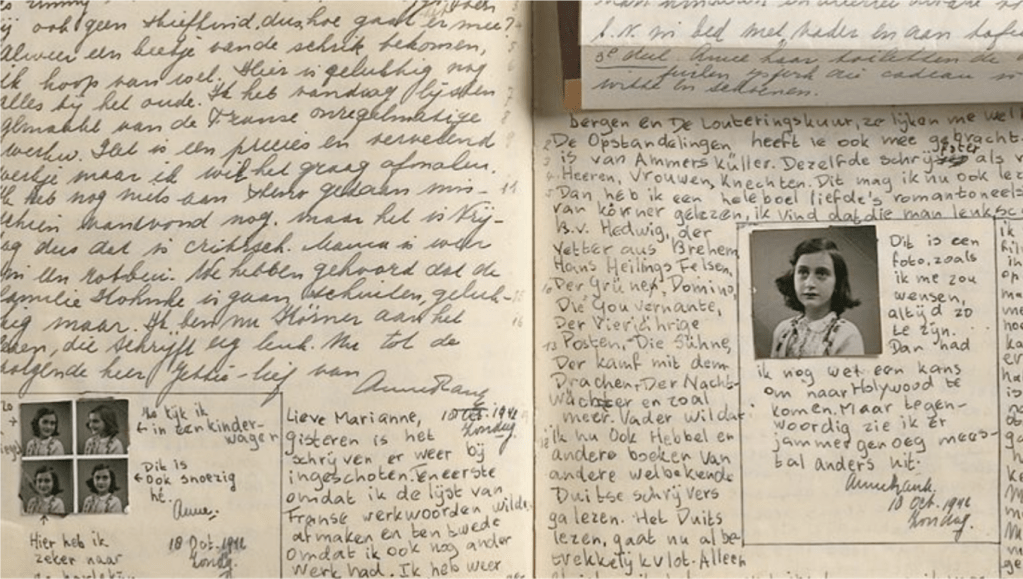
  • PLAYER PIANO

    Doctor Paul Proteus, a high-ranking and extremely intelligent manager at Ilium Works, lives in a world where engineers and managers form the social elite. After World War III, in which the United States depended heavily of technical know-how to win, reliance on technology had veered to the extreme, mechanizing almost every sector of the labor force and rendering human labor just short of obsolete. A consequence of this is a better standard of living due to increased efficiency. However, in the eyes of Dr. Paul Proteus and the masses, this results in a lack of purpose and a painful dissatisfaction with life.

    The plot ramps up as Paul increasingly begins to have doubts about society and his role in it. Ed Finnerty, a former colleague at Ilium Works, arrives into town and barely hides his disdain for society, which interests Paul and confirms his own feelings. The story reaches its climax with a countrywide rebellion coordinated by the Ghost Shirt Society, a diverse group of socially marginalized misfits led by the Protestant reverend James J. Lasher.

    Top officials catch wind of the Ghost Shirt Society’s existence and blackmail Paul into infiltrating and taking the group down. Fittingly, the secret group does recruit the protagonist and forces him to be the figurehead of the movement. The climax happens when their special rebellion finally takes place — chapters across the United States declare a march to destroy the automatic factories. Things do not go as planned, however, as various cities swiftly quell the various groups, and the leaders of the Ghost Short Society eventually turn themselves in.

    This novel carries unsettling parallels to the rise of Artificial Intelligence. The seemingly exponential growth of this industry, seeking to secure shareholder value and rake in billions of dollars for the technocratic elite, matches the post WWIII atmosphere in Player Piano in its manic forward-moving inertia. The vast layoffs of employees from big firms such as Amazon, Microsoft, Salesforce, and IBM resemble the beginning stages of the society Vonnegut painted over 70 years ago.

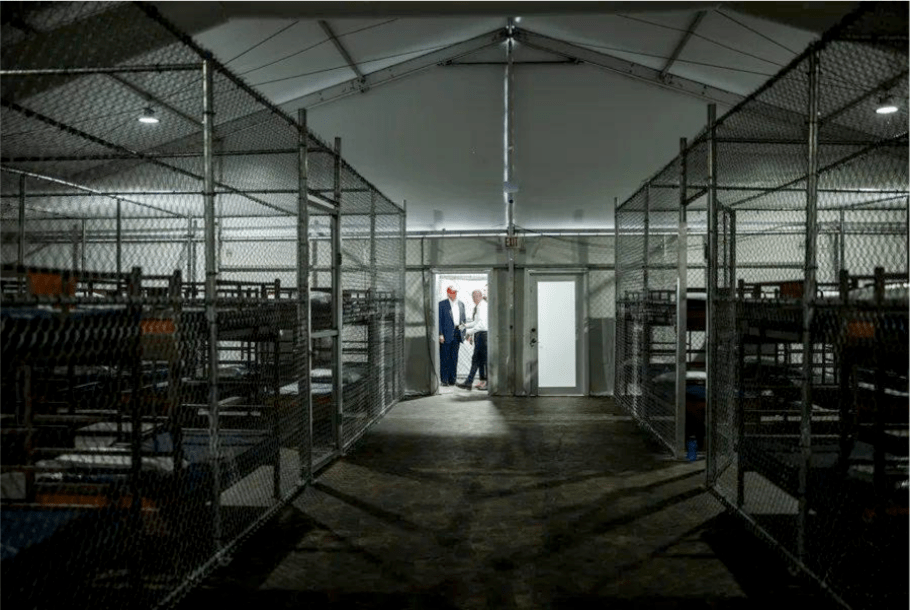
    More obvious in today’s society is the capacity for surveillance and state-sanctioned violence. AI-powered software is being used by United States Immigration and Customs Enforcement (ICE) to surveil users who demonstrate “negative sentiment” towards the agency on social media. AI-assisted Kill Chain predicted technology is being deployed in critical global combat zones to kill political targets with minimal human oversight while also killing civilians in the process.

    In the end, technology is ultimately just a tool. It can be used for good and for bad. Are we willing to fight and uphold that distinction?

  • The Water Knife

    The Water Knife is a telling tale of what happens when our need to survive is tested at its absolute limit. The American Southwest, already dealing with water scarcity, has reached a point in which water is deathly scarce for everyone. Covert operations, bribes, and bloody violence is the name of the game for water knives, covert agents recruited to secure access to water and ultimately to keep constituents from dying. 

    This severe landscape is the result of climate and change and a critical lack of foresight. This future is not a far off possibility, but rather hits closer to home after considering how fast our world is consuming water. One of the biggest threats to our water supply is the usage of water in data processing plants, which has exponentially increased since the rise of Artificial Intelligence. The convenience and benefits of this technological advancement seem more attractive than the negative consequences it may exact upon us in the very near future. 

    The role of Artificial Intelligence is, naturally, not directly mentioned by the novel. However, it does elucidate how frenetic economic competition actively pushes us towards our dystopian final destination. The rapid growth of Artificial Intelligence cannot keep up with current efforts to mitigate the size of our colossal water footprint. Like a bull charging ahead with no goal except for tackling the red flag, the AI race seeks to win first and face consequences later, if at all.

    Such an outlook would naturally give way a post-water apocalypse of iron-fisted will, where the cities and municipalities with the most desperation and thirst for blood will come out on top, while the rest die of thirst.

    The Water Knife, Paolo Bacigalupi
    2016, Knopf Doubleday Publishing Group

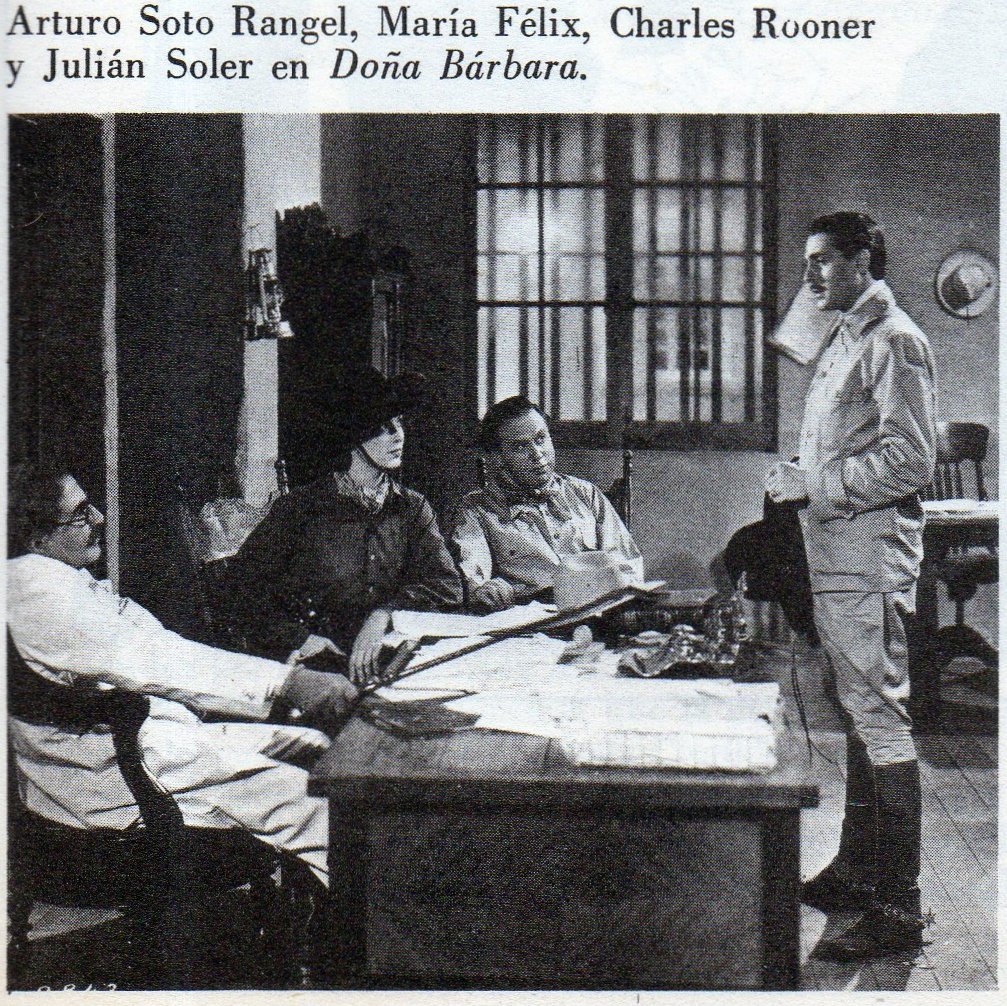
  • Doña Bárbara

    The buzz surrounding Latin America – particularly Venezuela – had me making connections to the infamous Doña Bárbara, the star protagonist of the novel by the same name. Published in 1929 by Rómulo Gallegos (who would later become President of the country), the enigmatic story is one of many Latin American novels to explore the relationship between civilization and barbarity. 

    Doña Bárbara is a feminine take on the typical caudillo – someone who uses sheer violence and charisma to control territories and peoples by force. Set roughly a hundred years ago at a time where caudillismo was still around (though in decline), the Venezuelan plains are ruled by the iron-fisted caudilla who trumps every effort to thwart her rule. Her power resides in her own cunningness, knowledge of the occult arts, and her larger-than-life persona.

    La “devoradora de hombres” demonstrates a specific kind of barbarity that still has not rid itself yet; namely, the misuse of law for selfish gain. Like a stubborn weed capable of flourishing in any time period, country or political leaning. The flatlands of the Venezuelan llano did not yet live under the influence of a modernity as we understand it today, but it most certainly had laws and people willing to construe them at will. Probably more cunning than just completely dissolving an entire National Assembly, the caudilla bribed her own law – <<la Ley de doña Bárbara>> – into existence.

    Essentially, in cases where landowners must permit others to enter into their property to retrieve wandering livestock, the caudilla’s law intentionally omits any language of criminal repercussions for those who refuse to uphold it. This move is not unlike rulers who refuse to heed to the rule of law, who exercise authority and influence to get what they want, often to the dismay of others.

    Her indomitable will imposed on others is one very true definition of power. And in the case of the caudilla, power was a thing that consumed and destroyed anyone who desired her.

    –Cada uno de los hombres aborrecibles para ti; pero, representándotelos uno a uno, yo te hago amarlos a todos, a pesar tuyo.
    Ella concluyó, rugiente:
    –Pero yo los destruiré a todos en ti.